
In today's digital era, DivX Conversion acts as a bridge for seamless media playback across diverse devices, from smartphones to smart TVs and gaming consoles. This technology optimizes video compression, ensuring high-quality content delivery while reducing file sizes for better performance in limited bandwidth or storage environments. What is DivX Conversion? It enhances user experiences by eliminating format restrictions, facilitating content consumption on any screen. With applications in consumer electronics, IoT, 5G streaming, and AI-driven content analysis, DivX conversion will remain vital for future immersive AR/VR experiences and optimal multimedia enjoyment.
In today’s diverse digital landscape, understanding device variety is crucial for a seamless user experience. From smartphones to smart TVs, each device has unique capabilities. This creates a need for technologies that facilitate integration, ensuring content plays smoothly across various platforms. This article explores the role of DivX Conversion in bridging this gap. We’ll delve into its technical prowess, the benefits it offers users, and real-world applications, highlighting how DivX enables a more connected viewing experience.
Understanding Device Diversity: Highlighting the Need for Integration
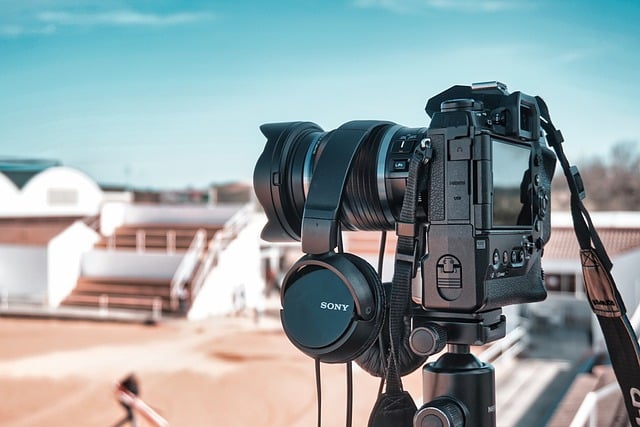
In today’s digital era, our lives are intricately tied to a myriad of devices, each with its unique capabilities and formats. From smartphones and tablets to smart TVs and gaming consoles, device diversity has reached unprecedented heights. Understanding this landscape is crucial when discussing what is DivX conversion and its importance in seamless integration.
DivX conversion refers to the process of ensuring media files are compatible and can be smoothly transferred between these various devices. As technology advances, our entertainment and content consumption habits evolve; we want to enjoy our videos and music on whatever device we choose. Thus, the need for integration is evident, allowing users to access their digital content without format restrictions or compatibility issues.
The Role of DivX in Bridging the Gap: A Technical Perspective
DivX, a pioneering video compression technology, plays a pivotal role in bridging the gap between different devices and platforms. In today’s diverse digital landscape, where numerous gadgets and operating systems coexist, DivX Conversion stands as an enabler for seamless integration. This technology ensures that videos can be played without interruption across various devices, from high-definition TVs to mobile phones.
By offering efficient video compression and decompression, DivX Conversion optimizes file sizes while preserving the original quality. This is particularly beneficial in scenarios where bandwidth or storage constraints exist. With its robust capabilities, DivX facilitates a smooth user experience by allowing content creators and distributors to deliver videos that are compatible with a wide range of devices, ensuring accessibility and convenience for all.
Benefits: How Seamless Integration Enhances User Experience

Seamless integration with various devices offers a multitude of benefits, most notably enhancing the user experience. When a device, such as a smartphone or smart TV, can effortlessly connect and communicate with other devices like computers or streaming platforms, it creates a uniform and intuitive environment for users to enjoy their content. This means less time spent on technical difficulties and more time immersing in movies, shows, or music.
For instance, with DivX Conversion technology, seamless integration allows users to easily convert videos to formats compatible with different devices. This not only ensures a consistent viewing experience across platforms but also optimizes video quality for each specific device, providing the best possible entertainment regardless of whether it’s on a large screen TV or a portable smartphone.
Practical Applications: Real-World Use Cases and Future Trends

The practical applications of DivX conversion are vast and varied, spanning numerous industries and everyday life. In the consumer electronics space, it enables seamless integration between devices, allowing users to enjoy multimedia content without restrictions. For instance, streaming high-definition videos on smart TVs, playing back converted files on gaming consoles, or syncing media libraries across multiple mobile devices—all become effortless. This technology also facilitates efficient data sharing and backup solutions, ensuring users can access their content anywhere, anytime.
Looking ahead, the future of DivX conversion promises even more exciting trends. With the rise of Internet of Things (IoT) devices, it will play a pivotal role in connecting smart home appliances, wearables, and other connected devices seamlessly. As 5G technology becomes mainstream, DivX’s ability to optimize video streaming and reduce latency will be instrumental in delivering immersive augmented reality (AR) and virtual reality (VR) experiences. Furthermore, advancements in AI-driven content analysis and adaptive bitrate streaming will enhance the overall user experience, making DivX conversion an indispensable tool for a wide array of real-world applications.
DivX Conversion plays a pivotal role in harmonizing the diverse landscape of devices, ensuring seamless integration and enhancing user experiences. By leveraging advanced technologies, DivX bridges the gap between different platforms, allowing content to be accessed and enjoyed consistently across devices. This not only improves convenience but also opens doors for innovative practical applications, setting the stage for future trends that will continue to revolutionize digital consumption.