
The DivX format has emerged as a powerful tool for video creation and sharing across multiple platforms. This article delves into the comprehensive overview of DivX, exploring its key features tailored for seamless video distribution. We uncover the advantages of DivX’s cross-platform compatibility, providing insights on creating and optimizing videos for diverse audiences. Furthermore, we share best practices for effective video distribution, ensuring your content resonates with viewers everywhere. Understanding DivX Format is essential for maximizing your multimedia reach.
Understanding DivX: A Comprehensive Overview

Key Features of DivX for Video Sharing

The DivX format has emerged as a powerful tool for video sharing across multiple platforms, offering a range of key features that enhance user experience and content distribution. One of its standout advantages is compatibility; DivX supports a vast array of devices and applications, ensuring your videos can reach a diverse audience. This versatility is particularly beneficial when creating content meant for various social media channels, streaming sites, or even personal devices.
Additionally, the format provides efficient video compression without sacrificing quality. DivX utilizes advanced encoding techniques to reduce file sizes while maintaining crisp visuals and clear audio. This feature is invaluable for online sharing, where optimized videos load faster, enhance user engagement, and contribute to better overall performance, especially on mobile networks.
Advantages for Cross-Platform Compatibility

The DivX format offers significant advantages for cross-platform compatibility, making it an ideal choice for video creators and content sharers. This versatile codec ensures that videos can be seamlessly played on a wide range of devices and platforms without the need for additional conversions or plugins. Whether you’re sharing on social media, streaming online, or distributing through messaging apps, DivX maintains high-quality video playback across the board.
One of the key benefits is its efficient compression, allowing for smaller file sizes without sacrificing visual quality. This not only facilitates faster uploads and downloads but also reduces buffering times, enhancing the overall viewing experience. Additionally, DivX supports a broad spectrum of video codecs, ensuring compatibility with most modern media players, further streamlining content distribution.
How to Create and Optimize Videos in DivX
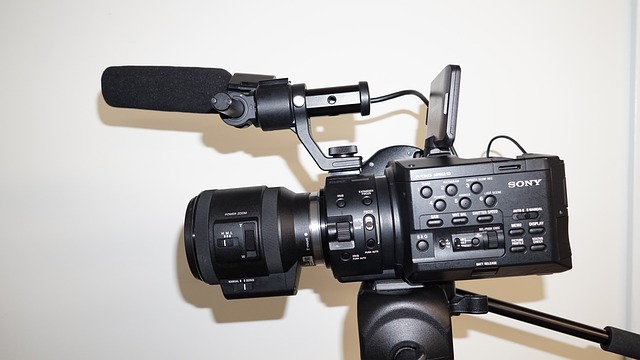
The DivX format is a powerful video compression standard that allows users to create and share high-quality videos across various platforms. To leverage its capabilities, start by mastering the art of video encoding in DivX. The process involves selecting an appropriate video encoder that supports DivX, such as HandBrake or FFmpeg. Once chosen, encode your video with optimal settings tailored for your target platform’s requirements. Consider factors like resolution, bit rate, and container format to achieve the best balance between file size and visual fidelity.
After encoding, utilize DivX’s efficient compression algorithms to reduce video file sizes without sacrificing too much quality. This is particularly beneficial when sharing videos online or on mobile platforms where storage space and bandwidth are limited. Additionally, take advantage of DivX’s ability to handle a wide range of codecs and container formats, making it seamless to convert and share your videos between different devices and applications.
Best Practices for Effective Video Distribution

When distributing videos across various platforms, adopting best practices ensures your content reaches and engages the intended audience effectively. One crucial aspect is choosing the right video format, such as DivX. The DivX format offers excellent compression ratios while maintaining high-quality video and audio, making it ideal for sharing on different devices and networks. This format supports a wide range of codecs, ensuring compatibility across various platforms and players.
Additionally, optimizing video metadata and creating engaging thumbnails can significantly enhance distribution. Including relevant keywords in file names and descriptions improves searchability and discoverability. Tailoring content to suit specific platform guidelines and audience preferences maximises reach. Regularly analyzing performance metrics allows for data-driven decisions, refining distribution strategies over time.