
Understanding DivX and WebM: A Technical Comparison
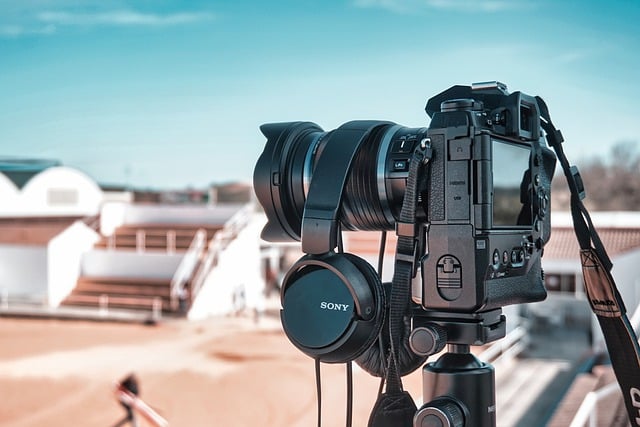
DivX and WebM are two video container formats that have gained popularity for their ability to balance file size and visual quality. DivX, developed in the early 2000s, is known for its efficient compression techniques, allowing videos to be stored in smaller files while maintaining high-quality visuals. It supports a wide range of codecs, making it versatile for various video needs. On the other hand, WebM is a more recent format introduced by Google, designed specifically for web delivery. It offers even more efficient compression without sacrificing quality, making it ideal for streaming content over the internet.
Converting DivX to WebM can be beneficial for users who want to optimize their video files for online sharing or modern streaming platforms. This process involves transcoding the video into the WebM container format, ensuring compatibility with a wide range of devices and players while preserving the excellent visual quality that DivX is known for. With its superior compression capabilities, WebM ensures smaller file sizes without noticeable loss in picture clarity, making it a preferred choice for content creators looking to deliver high-quality videos efficiently.
Benefits of Converting DivX to WebM for Modern Web Requirements

Step-by-Step Guide: Efficient Conversion Process for Optimal Visual Quality

Converting a video from DivX to WebM format can significantly enhance its compatibility and visual presentation, especially for online streaming. Here’s a step-by-step guide to ensure an efficient process without compromising quality.
1. Select a Reliable Conversion Tool: Start by choosing a high-quality converter that supports both DivX and WebM formats. Many free and paid options are available, offering various features. Opt for one with good reviews and a track record of producing crisp, clear outputs.
2. Load Your DivX Video: Launch the converter and navigate to the ‘Add Files’ or similar section. Locate and select your DivX video from your device’s file explorer. Ensure it’s the correct file you want to convert while keeping an eye on its resolution and aspect ratio—these will be preserved during the conversion process.
3. Choose WebM as Output Format: After selecting the video, set the output format to WebM. This setting ensures that the converted file maintains excellent visual quality while being compatible with a wide range of web platforms and streaming services.
4. Adjust Settings (Optional): Depending on your converter, you might have options to fine-tune settings like resolution, bitrate, and encoding. For optimal visual quality, consider keeping the default or selecting the highest available settings within reasonable limits. Lower resolutions can reduce file size without sacrificing too much detail.
5. Convert and Wait: Once everything is set, initiate the conversion process. The time taken will depend on your system’s processing power and the video’s length. Enjoy this moment to review any other settings or ensure your computer is free for this task.
6. Post-Conversion Check: After completion, open the converted WebM file to ensure it plays smoothly and retains the original visual quality. If adjustments are needed, you can always revisit the converter’s settings and try again.
Converting DivX to WebM is a smart move for anyone aiming to deliver high-quality video content efficiently. By adopting this conversion, creators can ensure their videos maintain exceptional visual clarity while optimizing them for modern web platforms. The process, as outlined in our step-by-step guide, streamlines the transition and guarantees optimal results. Embrace this technology to enhance your online video experience and stay ahead of evolving web standards.