
Video compression is a key process for reducing file sizes while preserving quality, crucial when converting formats like DivX. Techniques like Discrete Cosine Transform (DCT) break videos into blocks, discarding less perceptible details. Variable bitrate encoding ensures critical details are preserved. DivX Codec offers high-quality conversion and efficient compression suitable for streaming media. When learning how to convert DivX, balance compression and preservation for optimal viewing experience. Understanding bit rate, resolution, and codec choice is essential. Modern codecs use advanced techniques like adaptive bitrate encoding to retain details in complex scenes while reducing file size. This guide provides a straightforward method for compressing videos using DivX, focusing on selecting video files, installing DivX, configuring settings, and initiating the encoding process.
“Discover the art of compressing videos without compromising quality. This comprehensive guide explores effective video compression techniques, focusing on the powerful DivX codec—a game-changer for video conversion. Learn how to choose optimal settings and preserve video integrity during the process. We’ll walk you through a step-by-step guide using DivX, empowering you with the knowledge to convert videos efficiently while maintaining their original essence. By the end, you’ll be equipped to handle video compression like a pro.”
Understanding Video Compression: The Basics

Video compression is a process that reduces the size of video files while minimizing quality loss, ensuring the video retains its integrity. It’s crucial to understand the basics of this process to make informed decisions when compressing videos, especially when aiming to convert formats like DivX. The core idea behind compression involves eliminating redundant or unnecessary data from the video stream, which can be achieved through various techniques.
One common method is discrete cosine transform (DCT), which breaks down the video into blocks and applies mathematical algorithms to reduce the file size. This process captures key visual elements while discarding less perceptible details, thus preserving the overall quality. Other approaches include variable bitrate encoding, where different parts of the video are compressed at varying rates based on their complexity, ensuring critical details are preserved while allowing for more significant compression in uniform sections.
DivX Codec: A Powerful Tool for Video Conversion

The DivX Codec stands as a powerful tool in the arsenal for video conversion and compression without compromising integrity. Developed with an emphasis on efficiency and quality, DivX offers advanced compression techniques that reduce file sizes while preserving the original video’s visual clarity and audio fidelity. This makes it particularly suitable for streaming media and ensuring smooth playback across various platforms.
When learning how to convert DivX, users can leverage this codec’s capabilities to create compact video files without noticing a significant loss in picture or sound quality. Its popularity stems from its ability to balance compression and preservation, making it a preferred choice for those seeking to share or store videos digitally while maintaining the best possible experience for viewers.
Choosing the Right Settings for Optimal Results

When compressing videos, selecting the appropriate settings is key to achieving optimal results without compromising quality. The process involves balancing factors like bit rate, resolution, and codec choice. For instance, a higher bit rate ensures better video quality but increases file size, while a lower bit rate reduces file size but may result in reduced visual fidelity.
For DivX conversion, it’s essential to understand that this codec offers efficient compression without significant loss of detail. Users should consider their desired output format and target audience when choosing settings. For web streaming, a balanced approach with moderate bit rates and high resolution might be ideal. Conversely, for DVD rippings, lower resolutions and more aggressive compression can yield smaller file sizes while still maintaining acceptable quality.
Preservation of Quality: Techniques to Maintain Video Integrity
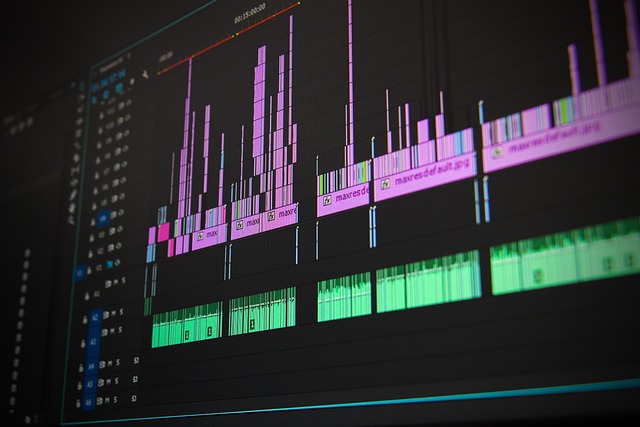
When compressing videos, especially using methods like converting DivX, it’s crucial to balance file size reduction with maintaining original quality. Advanced encoding techniques play a vital role in preserving the video’s integrity. Modern codecs, such as those employed in DivX conversions, leverage sophisticated algorithms that analyse and manipulate video data efficiently without introducing noticeable artifacts or loss of detail.
These techniques include adaptive bitrate encoding, where the compression rate adjusts based on scene complexity, ensuring critical details are preserved in high-contrast or fast-moving segments. Additionally, advanced filtering mechanisms remove unnecessary data while preserving edges and textures, much like a fine brush would in an artistic tapestry. This meticulous approach guarantees that the converted video retains its visual appeal and overall integrity, providing viewers with an immersive experience akin to watching the original content.
Step-by-Step Guide: Compressing Videos with DivX

Step-by-Step Guide: Compressing Videos with DivX
1. Prepare Your Video: Start by choosing the video file you wish to compress. Ensure it’s in a compatible format, like AVI or MPEG, as DivX supports these widely. If your video is in another format, consider using a free, online converter tool to change it before proceeding.
2. Download and Install DivX: Next, download the latest version of DivX from their official website. During installation, select the ‘Custom’ option to customize your setup. Choose only the components you need—typically, you’ll want to include the DivX Encoder. This step is crucial for achieving optimal compression without losing video integrity.
3. Open DivX Encoder: Once installed, launch the DivX Encoder application. You’ll be presented with a simple interface showing various encoding options. For beginners, selecting the ‘Quick’ preset is recommended, as it offers an easy way to get high-quality results. Adjust settings like resolution and bitrate according to your requirements; higher bitrates result in better quality but larger file sizes.
4. Configure Settings: In the ‘Source’ tab, browse and select your video file. Set the output location where you want the compressed video saved. The ‘Destination’ tab lets you fine-tune encoding options, such as selecting a specific codec or adjusting audio settings.
5. Start Encoding: After configuring everything to your liking, click the ‘Start’ button to begin the compression process. DivX will analyze and transcode your video, which may take some time depending on its length and complexity. Once complete, you’ll find your compressed video in the specified output location.
Video compression is a vital skill in today’s digital age, allowing for efficient storage and seamless sharing. By understanding the fundamentals and leveraging powerful tools like the DivX Codec, you can achieve high-quality video compression without compromising integrity. With careful setting selection and quality preservation techniques, you’ll be able to master How to Convert DivX videos effectively. Follow our step-by-step guide to compressing videos with DivX for optimal results, ensuring your videos look great while staying compact.